Thinking About Moving to Bend, Oregon? 15 Questions to Ask Before You Decide
Central Oregon · A thoughtful place to begin
The questions I wish every relocation buyer considered before choosing a neighborhood, a house, or even Bend itself.
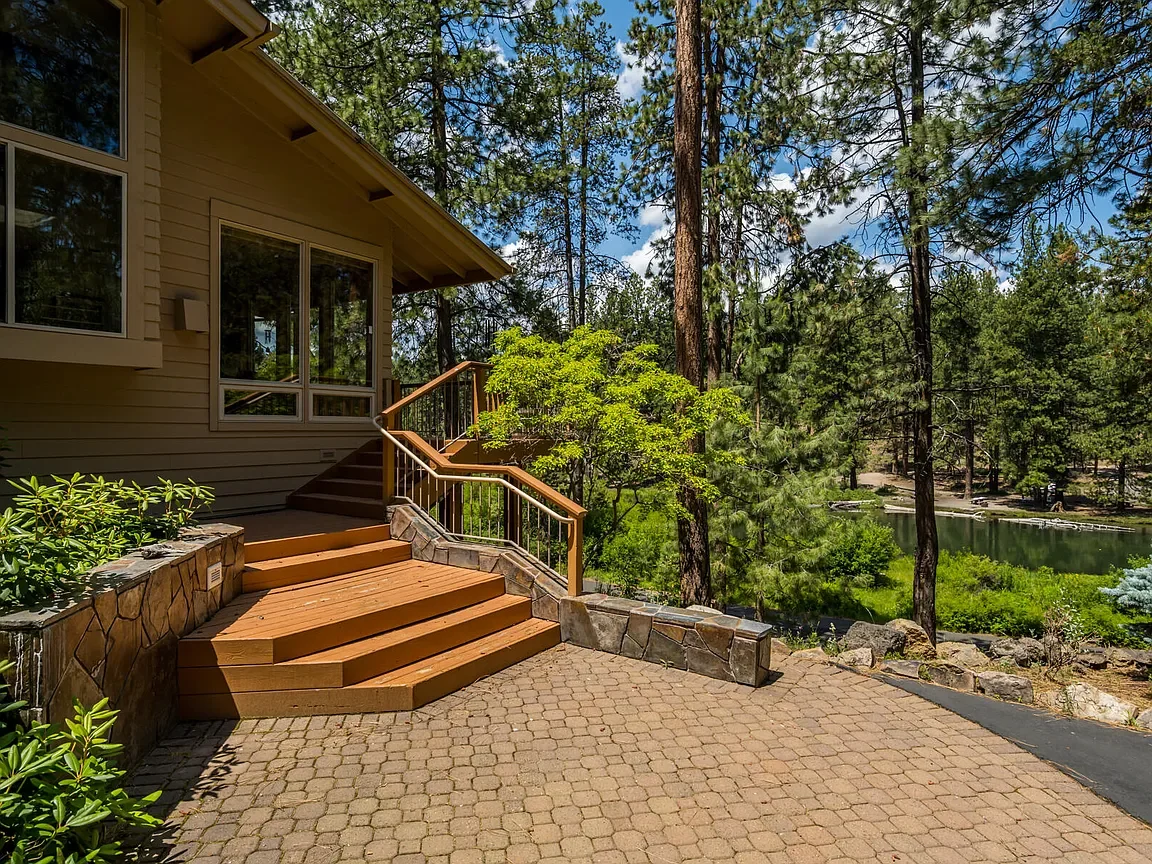
Bend has a way of getting into your head.
Maybe it happened on a ski trip. Maybe you spent a summer afternoon floating the Deschutes, rode beneath the ponderosas, wandered downtown for dinner and caught yourself looking at homes before you had even made it back to your hotel.
At some point, the casual thought becomes a real question:
What if we actually lived here?
Moving to Central Oregon is a much bigger decision than simply asking whether you can afford a house here. It can change how you spend your mornings, how often you travel, what weekends look like, how much space surrounds you, which weather becomes normal and sometimes even what you expect from the idea of “home.”
So before you choose neighborhoods or save another 47 properties online, there are better questions to ask.
These are the questions I would want to discuss with you over coffee, long before you were ready to buy.
Before You Move to Bend
Jump to what you’re wondering about:
Question 01 / 15
1. Am I in love with Bend, or am I in love with vacationing in Bend?
The best test is whether you want your ordinary days here, not only your time off. A vacation lets you borrow the best parts of a place without taking on its routines.
Picture an ordinary Tuesday. You have a work deadline, an empty refrigerator and a load of laundry waiting. Where will you work? How far will you drive for groceries? Is a trail genuinely part of your afternoon, or another destination that takes planning? Would you rather walk to coffee or have enough space that you rarely hear a neighbor?
Now add the less photogenic details: a flight out of Redmond, a school pickup if relevant, a dark winter morning and a trip across town when everyone else has somewhere to be. None of that makes Bend less appealing. It makes your picture of home more complete.
Question 02 / 15
2. What do I actually want my life to look like here?
Start with the routines you want to make easier. A house should support those routines, whether that means an early ride, a quiet garden, room for visiting family or getting to the airport without rearranging your whole day.
There is a difference between wanting more square footage and wanting more breathing room. Sometimes the answer is acreage. Sometimes it is a smaller home near the places you want to spend your time. Think about where bikes, skis and an RV would go, whether you need a real shop, and how much upkeep you would happily take on.
What I would want you to tell me
- “We want our kids outside more.”
- “We want somewhere our friends will actually want to visit.”
- “I want to ride from my house.”
- “My spouse travels twice a month.”
- “I don’t ever want to share a fence again.”
Those statements tell me more than a generic bedroom-and-bathroom list. They help us connect a property to the life it needs to hold. My Find Your Place in Central Oregon guide is a useful companion as you start comparing possibilities.

Question 03 / 15
3. Can my budget buy the version of Bend I’m imagining?
Possibly, but the answer depends on the combination of location, property type and lifestyle you have in mind. A budget that opens several doors in one community may mean a smaller home or a different setting in another.
For a consistent comparison, the table below uses Redfin’s median sale prices for all home types over the three months ending August 2026. Bend was $698,538, Redmond $474,586, Sisters $662,429 and Sunriver $934,382. These are completed-sale midpoints for different mixes of homes, not asking prices or promises about what you can buy.
That spread is a reason to compare, not a reason to pick the lowest number. A home that saves on purchase price may add driving or maintenance; a more central location may let you buy less house and use your time differently. Smaller markets can also move noticeably when only a few unusual properties sell.
Before choosing your ceiling, think about a comfortable monthly total and the money you still want available for travel, recreation, savings and the unexpected. The relocation guide’s ownership-cost worksheet can help you organize your own estimates.
One region · Four different starting points
Bend, Redmond, Sisters or Sunriver: Which Central Oregon community might fit you?
These aren’t rankings. Each community offers a different version of Central Oregon life.
River & trails
RDM nearby
Forest connections
Resort community
On a small screen, swipe the table sideways. Community descriptions are planning perspective; individual addresses and ownership arrangements vary.
| Consideration | Bend | Redmond | Sisters | Sunriver |
|---|---|---|---|---|
| General feel | Varied city neighborhoods with river, parks and a broad mix of destinations. | A city with its own downtown, services and everyday rhythm north of Bend. | A compact town center northwest of Bend with a strong forest and mountain connection. | A residential and resort community south of Bend, with pathways and a visitor presence. |
| Median sale price | $698,538 | $474,586 | $662,429 | $934,382 |
| Housing opportunity | Compare established homes, condos, townhomes and newer neighborhoods by location and lot size. | Compare established neighborhoods and newer homes; explore what the same budget buys. | Separate in-town homes and planned neighborhoods from nearby acreage and resort property. | Detached homes and condos; investigate condition, association obligations and intended use. |
| Dining & services | Multiple centers for errands and dining. Walkability depends on the actual route. | Downtown and other commercial areas support daily errands without every trip going to Bend. | A smaller town-center selection; consider which appointments or errands mean leaving town. | Village and resort destinations; test access to year-round groceries, care and other regular needs. |
| Airport access | Drive north to RDM; start from the specific neighborhood. | RDM is local. Consider convenience alongside aircraft activity at the home. | Test the route east toward RDM, including winter conditions. | Plan the drive north through the region to RDM. |
| Outdoor access | River paths, parks and routes toward forest trails and Mt. Bachelor. | Local parks and regional access toward Smith Rock and surrounding high desert. | Forest recreation and routes toward the Santiam Pass area. | Community pathways, river recreation, golf and Cascade recreation beyond. |
| May appeal when… | You want to compare several neighborhood lifestyles with city services nearby. | You value airport convenience and want another housing-value comparison. | You want a smaller center and a forest-oriented starting point. | You enjoy a planned recreation setting and are comfortable with its ownership structure. |
| Explore further | Bend profile | Redmond profile | Sisters profile | Sunriver profile |
Prices checked September 18, 2026. Redfin describes the period as the three months ending August 2026. These all-home-type figures differ from the narrower single-family series used elsewhere in the relocation guide. Geographic boundaries, property mix and reporting windows matter; do not read the difference as a change in an individual home’s value.
Depending on your priorities, your search might also include Tumalo, Terrebonne, La Pine, Powell Butte, Prineville, Crooked River Ranch, Brasada Ranch, Black Butte Ranch and surrounding rural areas.
Question 04 / 15
4. Do I actually need to live in Bend?
No. “Moving to Bend” often becomes shorthand for moving to Central Oregon. It is worth giving nearby communities a real visit before deciding that a Bend address is essential.
Redmond deserves a look as a place with its own routines, not simply a commute to Bend. Sisters offers a smaller center, but an in-town home and acreage outside town can create very different days. Sunriver’s pathways and recreation setting can be appealing for full-time living or time away, with association and resort details that need their own review.
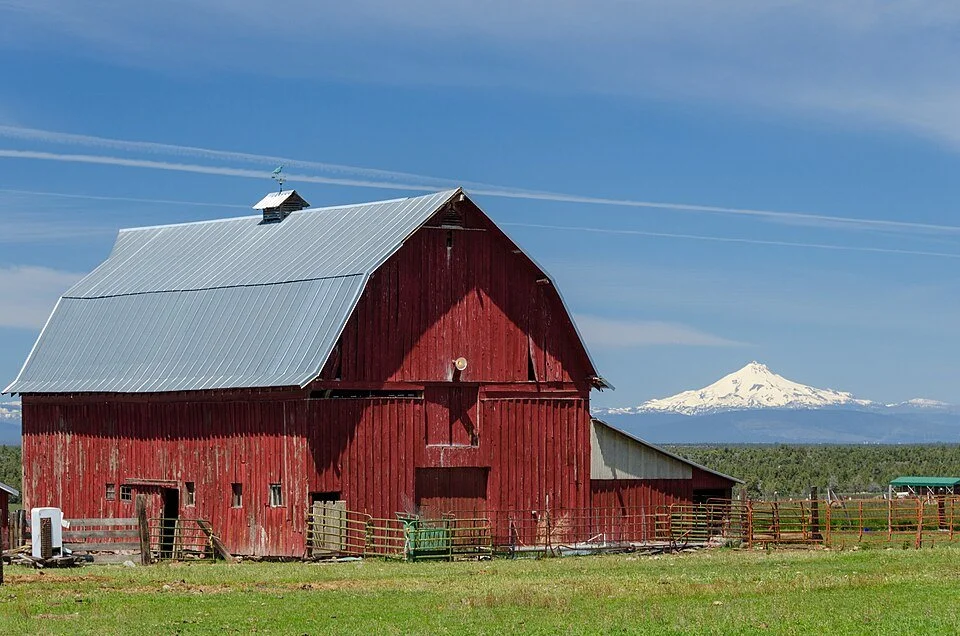
Rural Central Oregon may give you the separation or usable land you want. In exchange, you may take on water systems, road maintenance, longer errands and more responsibility for the property. The right answer depends on what you would actually do with the space and how often you need to be elsewhere.
Question 05 / 15
5. How much does my neighborhood choice actually matter?
A great deal, because the neighborhood shapes the trips and small decisions you repeat every day. A smaller city can still contain very different versions of daily life.
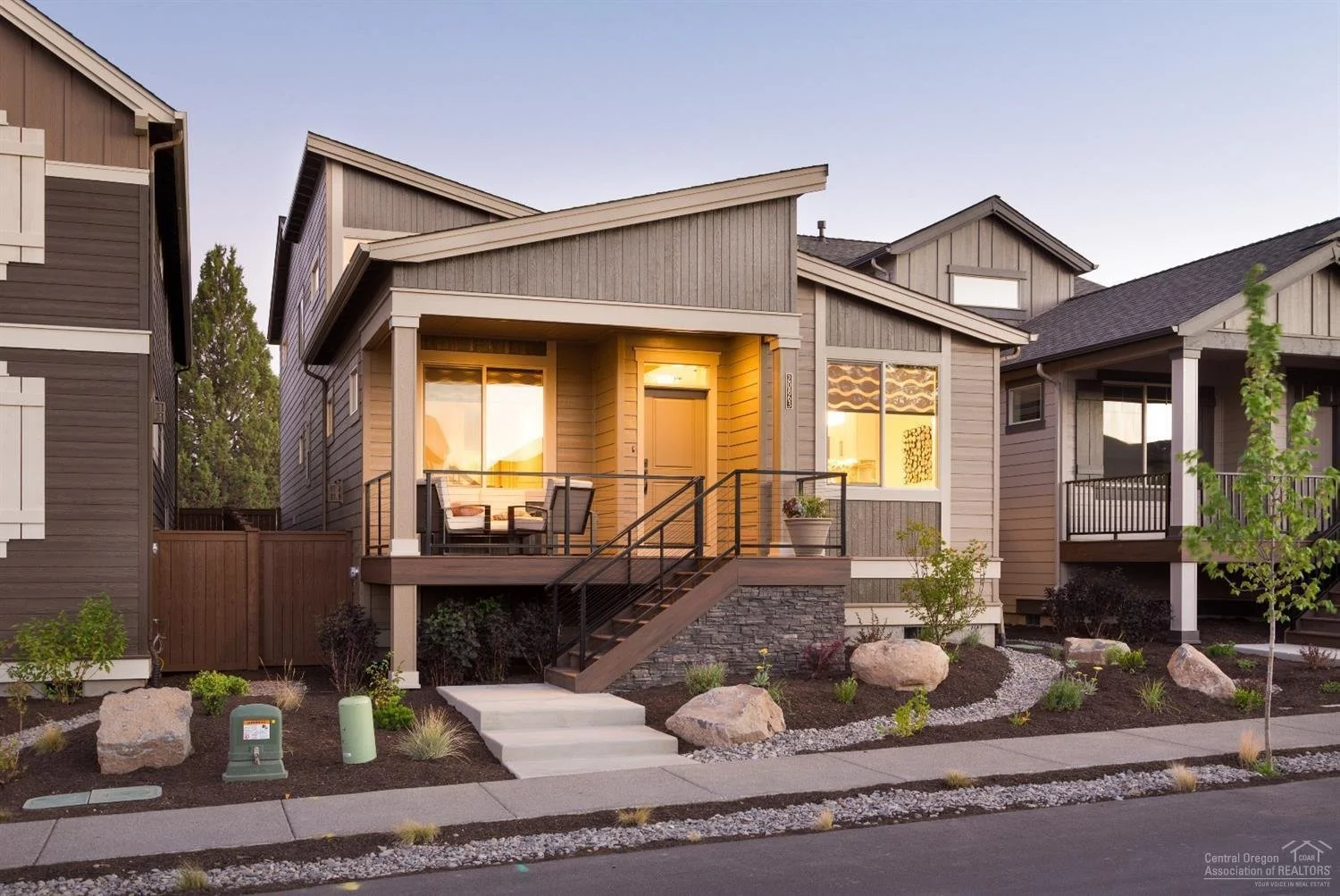
Downtown and established neighborhoods may put favorite destinations within reach on foot, with older-home maintenance, parking and street activity to consider. Northwest Bend includes several distinct settings; access to recreation, schools, shops and main routes still depends on the address. Newer communities may offer a different floor plan or maintenance starting point, along with smaller lots, ongoing construction or association rules.
A larger lot can be wonderful if you want to use it. It can also mean more weekends taking care of it. If airport access matters, test the drive from the particular home rather than relying on which side of town sounds convenient.
Which neighborhood makes the things I care about easiest to do? Begin with the Bend community profile, then narrow your research to actual walking, riding and driving routes.
Question 06 / 15
6. What will I gain by moving here, and what will I give up?
A good move should improve the things that matter most while leaving you comfortable with the tradeoffs. You do not have to pretend those tradeoffs do not exist.
You may gain more time outside, easier access to the recreation you love, four distinct seasons and a smaller-city scale. You may also be farther from family, have fewer choices in your field of work, or need a connection for a flight that used to be nonstop.
Consider the things you rarely notice because they are easy where you live now: specialty healthcare, shopping, big-city performances, childcare arrangements or a friend who can stop by on short notice. Confirm provider availability and insurance networks directly if particular healthcare services matter to your move.
Try writing two short lists: what you hope becomes easier, and what you would genuinely miss. A relocation can be a good decision even when the second list is not empty.
Question 07 / 15
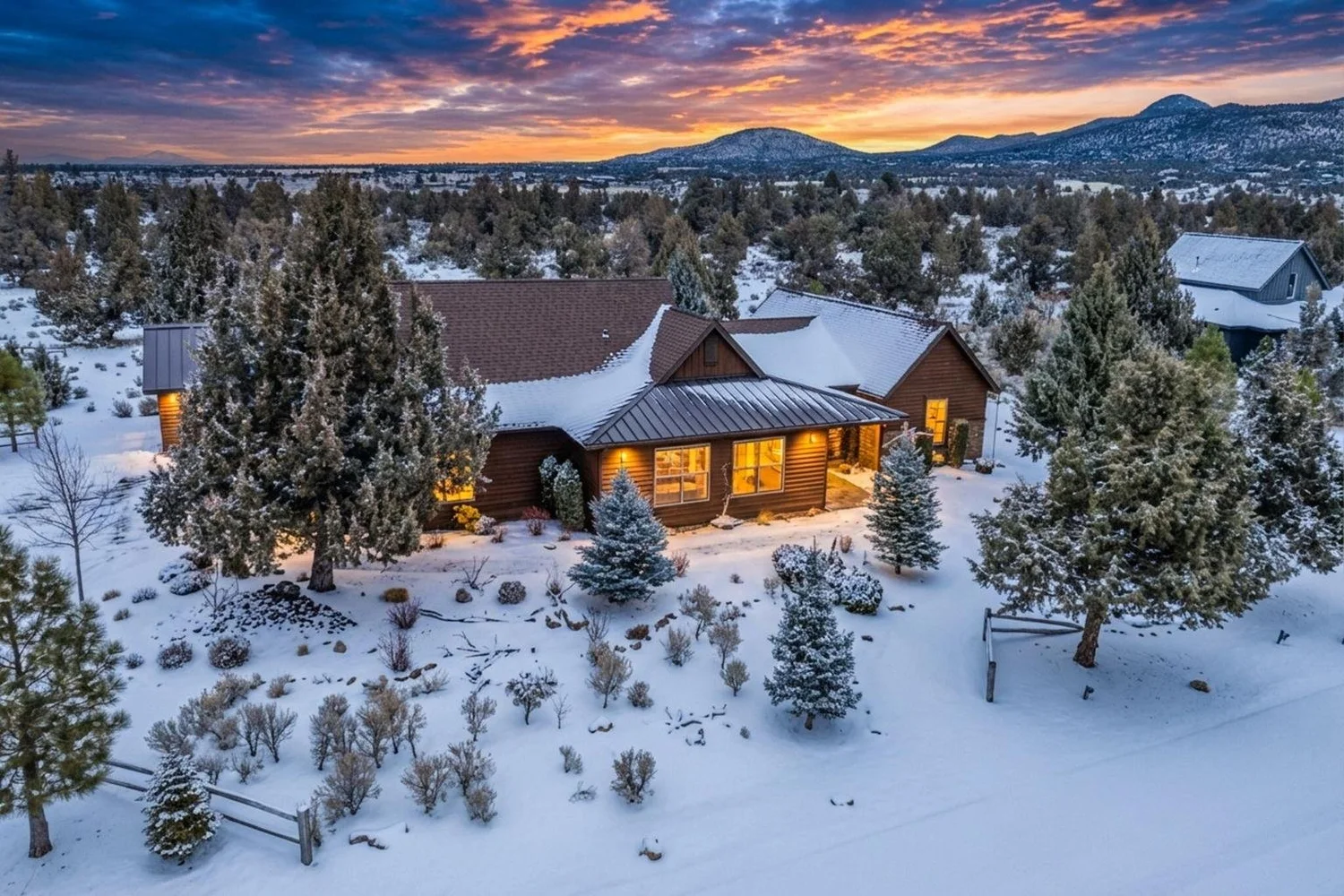
7. How will winter actually affect my everyday life?
Winter changes how you get around and care for a home, and the impact varies by elevation, exposure and access. Preparation makes those changes easier to live with.
Budget for suitable winter tires or traction equipment, shoveling supplies and additional travel time. An icy, shaded driveway can matter more to your morning than the snowfall total for the city. Look at driveway grade, places to put plowed snow and whether a garage can actually hold your vehicles and recreation gear.
For rural property, identify who maintains and plows the road, how that work is paid for and what happens during a storm. For a regular trip across the Cascades, check pass conditions before you leave. An easy summer drive is not a winter promise.
The City of Bend’s winter guide explains that road conditions differ across town and that winter operations prioritize emergency passage and major roads. Use ODOT TripCheck for current road information.
Question 08 / 15
8. How much should wildfire and smoke factor into my decision?
Enough to influence your property research, insurance timing and household planning. Wildfire exposure and smoke are related concerns, but they are not the same question: smoke can affect your day even when a fire is far away.
Before you become committed to a home, ask an insurer about address-specific availability, cost, deductibles and any mitigation requirements. Walk the property with attention to vegetation, materials near the house, roof and gutter maintenance, and the ongoing work involved in defensible space. For forested or rural property, verify the fire district and response arrangements.
Think through how you would receive alerts and leave with pets or livestock. Deschutes County’s wildfire preparation guide covers evacuation planning and alternate ways out. Bookmark Oregon DEQ air-quality information, and consider the home’s filtration and a plan for smoky days. Oregon’s home-insurance resources can help you prepare questions for an insurer.
Question 09 / 15
9. What will it actually cost to own the property?
The mortgage is only one part of the cost, and two similarly priced homes can carry very different responsibilities. Ask for the records that help turn a rough budget into a useful one.
- Regular bills: property taxes, insurance, utilities, heating, cooling, internet and garbage service.
- Community obligations: HOA dues, reserve funding, special assessments, resort or recreation fees and any separate membership costs.
- Land and systems: well equipment, septic service, irrigation assessments and equipment, landscaping, fencing and wildfire mitigation.
- Access and storage: snow removal, private-road repairs and a practical place for your RV, boat, bikes or tools.
Request the current tax statement, recent utility bills and association documents. Ask what the seller does personally that you would need to hire out. A landscaped acre and an acre you can leave largely alone are different ownership experiences.
For a starting worksheet, use the monthly housing-cost tool. Then refine the numbers with the lender, insurer, tax professional and relevant service providers for the property.
Question 10 / 15
10. How important is easy travel?
If travel is frequent, airport access belongs on your initial wish list. Central Oregon’s scheduled commercial air service is centered on Redmond Municipal Airport, also known as Roberts Field, or RDM.
An occasional vacation flight and two business trips a month create very different priorities. Check the actual destinations and schedules you would use, including connections, departure times and seasonal changes. A flight map alone cannot tell you whether a route works for your week.
Someone living in Redmond may weigh a shorter airport trip against aircraft activity near a particular home. Buyers considering Sisters, Sunriver or rural Bend should test the route from the property, at the time they would normally leave, with room for winter conditions. Include parking, transportation and the trip home after a late arrival.
If family is elsewhere, think about their journey too. How easily could they visit, and how easily could you get to them when plans change?
Question 11 / 15
11. Will my income and work life still make sense here?
Confirm how your work will function after the move before building a housing budget around it. A remote role, a local job search and a business relocation each need a different plan.
If you work remotely, get clarity from your employer about permanent Oregon residency, compensation, payroll and future office expectations. If you may need to replace that income locally, research real openings and likely compensation in your field. Do not assume that a smaller employment market will offer the same options as the one you are leaving.
For each serious property, verify internet availability at the actual address, installation timing, upload speeds and backup options. A provider serving the next road does not establish that your house can get the same service. Consider travel days and whether the home has a work space that stays useful when guests visit.
Oregon’s Department of Revenue explains that resident income tax generally applies to taxable income from all sources, with different treatment for part-year residents and nonresidents. Review the state’s personal income tax guidance with a tax professional who can address your residency, employer and moving-year circumstances.
Question 12 / 15
12. What do I value most: walkability, privacy, land, trails, skiing, golf or convenience?
Choose the priorities you most want the property to protect, then identify the tradeoffs you can accept. You are unlikely to maximize every lifestyle preference in one address.
Acreage can mean privacy and room for a shop, with fewer errands on foot. A downtown location may mean accepting a smaller garage or lot. Recreation access on Bend’s west side may matter more to your daily life than extra interior space. Airport convenience may win if you travel constantly.
Golf and resort settings such as Tetherow, Pronghorn and Brasada Ranch deserve a separate comparison of fees, memberships, rules and everyday travel. Owning a home near an amenity does not establish what access is included. Likewise, a neighborhood with shared activities and close neighbors offers a different kind of connection than a private rural setting.
Try choosing three priorities you would protect and three things you would willingly compromise. That makes a useful starting point for evaluating homes together.
Question 13 / 15
13. What property issues might be completely new to me?
The house is only one part of the property. In Central Oregon, the land, access, utilities and legal uses may need as much investigation as the inspection of the home.
Start with water and wastewater
For a well, ask for the well log, water-quality testing, flow information, equipment history and any shared-well agreement. Domestic drinking water and irrigation are separate questions. Oregon explains that water passing through or beneath land does not automatically establish a right to use it; check water-right records and requirements and speak with the irrigation district where applicable.
For septic, review permits, location, capacity, service history and a qualified inspection. Confirm how the system relates to your intended use, including bedrooms, additions or another dwelling. A freshly pumped tank is not a complete assessment of the system.
Understand the land and what is allowed
Ask the county assessor about any farm or other special assessment, continuing qualification and potential consequences if the use changes. Review rural zoning, setbacks, outbuilding permits and the status of unusual property configurations with the correct planning authority. An existing guest space, shop apartment or hardship dwelling is not proof that your intended occupancy is allowed.
City and rural accessory-dwelling rules differ. Deschutes County’s rural ADU information is a starting point, not a property approval. Investigate unpermitted improvements rather than treating finished square footage as automatically approved living space.
Verify access, ownership and restrictions
For private roads, review legal access, easements, road-maintenance agreements and snow-removal responsibility. For manufactured homes, distinguish owned land from a leased site, and confirm title, foundation and financing requirements with the relevant professionals.
For an HOA or resort property, read the governing documents, budgets, assessments and use rules. Verify golf memberships and amenity rights separately. If rental income is part of the plan, investigate current short-term-rental restrictions and transfer rules with the city or county and the association. An active vacation-rental advertisement is not a permit guarantee. Start with Bend’s short-term-rental guidance for properties in that jurisdiction.
These questions are manageable when we identify them early and bring in the right people. The property research section of my relocation guide provides additional starting points.
Question 14 / 15
14. Should I visit before buying, and what should I actually do while I’m here?
Visit when practical, and spend part of the trip testing daily life. Home tours are useful, but they should not consume every hour you have here.
Begin in a neighborhood early in the morning. Get coffee, try a grocery run and see how it feels to reach a trail or park. If skiing matters, experience the Mt. Bachelor corridor when appropriate for the season. If travel matters, include the airport. If schools matter, arrange an appropriate visit and confirm boundaries, programs and enrollment directly with the district.
Give downtown Bend, Redmond, Sisters and Sunriver enough time to become more than drive-through impressions. Add an acreage area if land is part of your vision. At the end of each day, compare notes before the next beautiful house distracts you.
A better scouting-trip question
Which version of Central Oregon keeps feeling like us?
Use the existing scouting-visit checklist to organize what you learn. Your trip does not need to end with an offer to have been worthwhile.
Four Places Worth Experiencing Before You Decide
Question 15 / 15
15. Who should I have on my side before I’m actually ready to buy?
Someone local who will help you think before asking you to transact. You do not need preapproval, a plane ticket, a move date, a specific property or even a final decision before asking questions.
Early support can mean comparing communities, understanding price points, identifying blind spots, planning a scouting trip or figuring out whether an unusual property warrants closer research. It can also mean a lender introduction when useful, a discussion of market monitoring, or a local perspective on a listing you cannot see in person.
If you are buying from out of state, we can talk through what can be evaluated remotely and what deserves an in-person visit or specialist inspection. My out-of-state buying guide covers the practical sequence, and the Seamless Relocation Concierge Program explains how support can follow your move. Services and third-party arrangements depend on the agreed scope.
When you are ready for the transaction itself, the Central Oregon buyer guide walks through that process. For now, a useful question is enough.
The conversation before the search
What I would want to know about you before we ever look at a house
What is pulling you toward Central Oregon?
Do you want more time outside? More space? A smaller city? Better access to skiing? A place where family gathers, a second home, or a different childhood for your kids?
Are you looking for somewhere to slow down, or somewhere to start something new?
What frustrates you about where you live now? What are you unwilling to give up? What are you afraid you’ll miss? What do you hope changes?
You do not have to have neat answers. Sometimes the most helpful part of a conversation is discovering which question matters most.
What would make you look back two years after moving and think: “We made the right decision”?
Those answers are where I start. The house comes later.
Still wondering whether Bend is right for you?
You do not need a perfectly defined timeline, preapproval, plane tickets, a specific neighborhood, a saved list of homes or certainty that you’re even moving. You can simply be exploring.
Build Your Central Oregon Move Profile
Share a little about the life you’re imagining. Skip anything you haven’t figured out yet. Your answers will help us begin with what matters to you.
Your profile is a conversation starter, not an automated community recommendation. Nothing is sent until you choose Build My Move Profile below.
What happens next?
I’ll personally review what you share and help you identify a sensible place to start. That might mean a few communities worth exploring, a question you should investigate before moving forward, context around what your budget can buy, or simply an answer to the thing you’re still trying to figure out.
You do not need to be preapproved or ready to buy.
Your contact fields follow below. Please include your profile answers in the message if the guided form is unavailable.
Your local guide
About the Author
Shelise Murray
Oregon Licensed Real Estate Broker | Works Real Estate
I’m Shelise Murray, a real estate broker with The Works Real Estate in Bend, Oregon. I help buyers think through the practical and personal parts of a move, from comparing communities to understanding the property details that deserve a closer look.
My experience includes manufactured homes, acreage, septic, rural zoning, farm tax deferral, hardship dwelling situations, resort properties and unusual property configurations. I bring those questions into the conversation early and help connect you with the appropriate professionals.
Sources & Updates
Last reviewed: September 2026. Market figures checked September 18, 2026. Prices and rules change. Community descriptions are my planning perspective, not guarantees about a particular address.
- Market comparison: Redfin, all home types, three months ending August 2026: Bend, Redmond, Sisters and Sunriver.
- Winter and travel: City of Bend winter guide, ODOT TripCheck and Redmond Municipal Airport.
- Wildfire, smoke and insurance: Deschutes County wildfire preparation, Oregon DEQ air quality and Oregon Division of Financial Regulation.
- Income tax: Oregon Department of Revenue personal income tax guidance.
- Property research: Oregon Water Resources Department, Deschutes County rural ADUs and City of Bend short-term rentals.
Confirm property-specific legal, tax, lending, insurance, inspection and permitted-use questions with the appropriate professional or governing authority. A listing description or existing use does not establish approval for your plans.


